
Which Is Best: Marble or Tiles? A Complete Guide for Modern Homes

When planning a new home or renovating an existing space, one common question always comes up: which is best, marble or tiles? Both materials are widely used in kitchens, living areas, bathrooms, and commercial spaces, but each has its own strengths, limitations, and ideal use cases. To make the right decision, it’s important to understand how kitchen marble, marble tiles, and marble stone compare with regular tiles in terms of beauty, durability, maintenance, and cost.
This detailed guide will help you decide which option suits your space, lifestyle, and budget best.
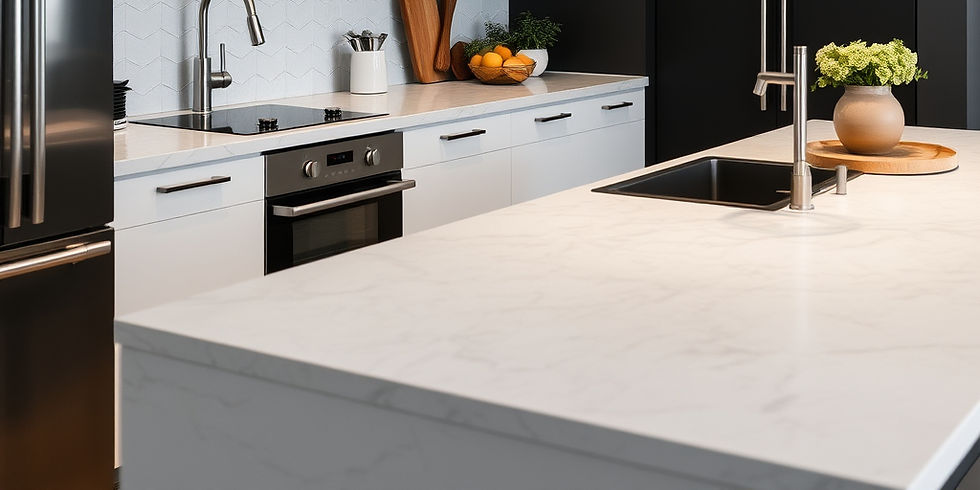
Understanding Marble and Tiles
Before comparing, let’s clarify what each material actually is.
What Is Marble Stone?
Marble stone is a natural stone formed over millions of years from limestone under heat and pressure. It is prized for its natural veins, smooth texture, and luxurious appearance. Marble is commonly used for flooring, countertops, walls, staircases, and especially kitchen marble surfaces.
What Are Tiles?
Tiles are manufactured materials, usually made from ceramic, porcelain, or vitrified clay. They come in a wide range of designs, colors, and finishes. Tiles can even imitate the look of natural marble, leading to the popular option of marble tiles.
Aesthetic Appeal: Marble vs Tiles
If beauty is your top priority, marble often has the edge.
Marble Stone: Natural Luxury
One of the biggest advantages of marble stone is its timeless elegance. Each slab is unique, with natural veining patterns that cannot be exactly replicated. This gives spaces a rich, premium feel that instantly elevates interiors.
In kitchens, kitchen marble countertops and backsplashes create a clean, high-end look that never goes out of style.
Tiles: Design Variety
Tiles offer unmatched variety. From plain matte finishes to glossy designs and realistic marble tiles, there’s something for every taste. If you want consistency and precise color matching, tiles may be the better choice.
Verdict:
For natural beauty and luxury → Marble stone
For design flexibility and uniformity → Tiles
Durability and Strength
Durability is a key factor when choosing materials for high-traffic areas.
How Durable Is Marble?
Marble stone is strong but relatively softer than granite. It can scratch or stain if not properly sealed, especially in kitchens. However, with proper care, kitchen marble surfaces can last for decades.
How Durable Are Tiles?
Porcelain and vitrified tiles are extremely durable and resistant to scratches, moisture, and stains. This makes tiles a popular choice for busy households and commercial spaces.
Verdict:
Heavy usage, low maintenance → Tiles
Moderate usage with proper care → Marble stone
Maintenance and Cleaning
Maintenance is often the deciding factor for homeowners.
Marble Maintenance
Marble requires regular care. Marble stone needs sealing to protect it from stains and acidic spills like lemon juice or vinegar. Daily cleaning should be done using mild, non-acidic cleaners.
In kitchens, kitchen marble needs extra attention due to frequent cooking and spills.
Tile Maintenance
Tiles are easy to clean and maintain. Regular mopping and basic cleaners are enough. This is one reason why many people opt for marble tiles, which give the look of marble without the high maintenance.
Verdict:
Easy, worry-free maintenance → Tiles
Willing to invest time in care → Marble stone
Cost Comparison: Marble vs Tiles
Budget plays a major role in material selection.
Cost of Marble Stone
Natural marble stone is generally more expensive due to quarrying, transportation, and installation costs. High-quality kitchen marble can be a premium investment but also adds significant value to the property.
Cost of Tiles
Tiles are more budget-friendly and available at various price points. Marble tiles are usually cheaper than natural marble while still offering a similar appearance.
Verdict:
Premium budget, long-term value → Marble
Cost-effective solution → Tiles
Application: Where Each Works Best
Best Uses of Marble Stone
Kitchen countertops and islands
Luxury flooring in living rooms
Wall cladding and staircases
Accent areas where elegance matters
Kitchen marble is ideal for homeowners who want a statement look and are ready for proper maintenance.
Best Uses of Tiles
Kitchen floors and walls
Bathrooms and utility areas
Commercial spaces
High-moisture and high-traffic zones
Marble tiles are perfect when you want a marble look in areas where natural marble may not be practical.
Heat and Moisture Resistance
Marble Stone
Marble naturally stays cool, which is an advantage in warm climates. This makes marble stone comfortable underfoot and ideal for kitchen countertops.
Tiles
Tiles, especially porcelain tiles, are highly moisture-resistant and perform well in humid environments.
Verdict:
Cool, natural surface → Marble stone
High moisture resistance → Tiles
Environmental and Natural Value
Natural stone lovers often prefer marble because it is a naturally occurring material.
Marble stone is eco-friendly when sourced responsibly.
Tiles require industrial manufacturing but are optimized for efficiency and consistency.
Final Verdict: Which Is Best, Marble or Tiles?
There is no one-size-fits-all answer to the question “which is best, marble or tiles?” The choice depends on your needs:
Choose marble stone if:
You want timeless luxury and natural beauty
You’re designing a premium kitchen with kitchen marble
You don’t mind regular maintenance
Choose tiles if:
You want durability and low maintenance
You prefer budget-friendly options
You like the look of marble tiles without the upkeep
Conclusion
Both marble and tiles have their own place in modern interiors. Marble stone offers unmatched elegance and natural charm, especially in kitchens and living spaces. Tiles, on the other hand, provide durability, affordability, and design flexibility, making them ideal for everyday use.
If you want luxury and are willing to care for it, kitchen marble is a fantastic choice. If practicality and ease matter more, tiles-or stylish marble tiles-may be the smarter option. The best material is the one that fits your lifestyle, budget, and long-term vision for your home.

Comments